


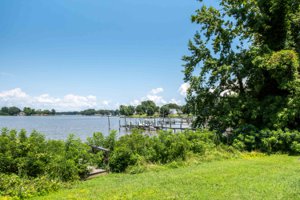
Buying a waterfront home is a dream for many, but before you dive in, it's crucial to understand riparian rights—the legal rights of property owners who live next to a body of water. These rights impact how you can use and access the water, and they vary by location.
What Are Riparian Rights?
Riparian rights refer to the special privileges granted to landowners whose property borders a natural body of water, such as a river, lake, or stream. These rights typically include access to the water, the ability to use it for specific purposes, and some control over the adjacent shoreline.
Who Has Riparian Rights?
If your property touches a natural body of water, you likely have riparian rights. This applies to:
- Homeowners living along a river, lake, or stream
- Farmers using water for irrigation
- Businesses operating near the waterfront
- Towns or cities bordering a water source
However, not all waterfront properties come with full riparian rights. Tidal waters, shared community water access, and public easements can affect what you can and cannot do.
What Do Riparian Rights Include?
As a waterfront property owner, riparian rights typically allow you to:
- Access the Water – You can use the water for activities like swimming, boating, and fishing. (subject to local laws).
- Use the Water – Some riparian rights permit water usage for irrigation or personal consumption (subject to local laws).
- Maintain the Shoreline – You can take steps to keep the shoreline clean and free of debris.
- Erosion Protection – Some rights allow you to implement erosion control measures, but regulations may limit how you do this.
Important Limits on Riparian Rights
While riparian rights give property owners certain privileges, they are not absolute. Here’s what to keep in mind:
- Public Trust Doctrine – The water itself is typically public property , meaning you cannot restrict public access or make changes that negatively impact the environment.
- Environmental Regulations – Local, state, and federal laws may limit construction, dredging, or alterations to protect ecosystems.
- Neighbor Agreements – If multiple properties share water access, disputes over docks, boat slips, or water usage may require legal agreements.
Why Riparian Rights Matter When Buying Waterfront Property
Understanding riparian rights before buying a waterfront home ensures you can fully enjoy your property without unexpected legal issues. These rights may affect:
- Water Access – Can you build a private dock? Do you have deeded access, or is it shared?
- Boating and Recreation – Are there restrictions on motorized boats or fishing?
- Shoreline Management – Can you build a seawall or maintain the natural shoreline?
- Property Value – Homes with clear, unrestricted riparian rights tend to be more desirable.
Final Thoughts
Riparian rights can make or break a waterfront purchase. Before buying, consult a real estate professional who understands local water laws. We specialize in waterfront properties and can help you navigate the details to find the perfect home with the access and rights you need to fully enjoy your home.
Thinking about buying waterfront? Contact us today to start your search!
:format(webp):quality(80)/u.realgeeks.media/donnakelly/Facebook.jpg)
:format(webp):quality(80)/u.realgeeks.media/donnakelly/Instagram.jpg)